

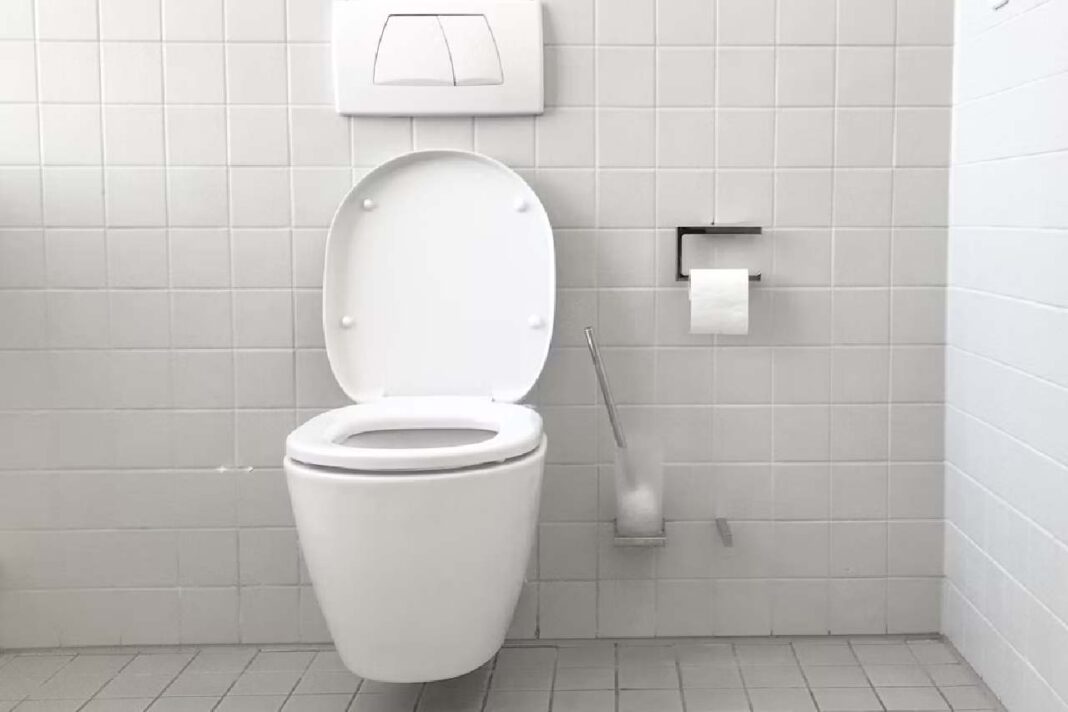

Every time you flush a toilet, an invisible cloud of microscopic particles bursts into the air—rising up to three feet, clinging to surfaces, and possibly landing on your toothbrush.
It’s called a toilet plume, and while it sounds like urban legend, it’s a real and well-documented hygiene hazard. So what exactly is in this airborne flush mist? And could your daily bathroom routine be exposing you to hidden health risks?
What the Heck Is a Toilet Plume?
A toilet plume is a cloud of tiny aerosol droplets released when a toilet is flushed. These particles, often invisible to the naked eye, can contain bacteria, viruses, and organic matter—depending on what’s in the bowl.
“Laser imaging has shown that flushing a toilet sends microscopic droplets into the air—many of which can linger for minutes.”
Whether it’s urine, feces, or vomit, any biological material in the toilet can end up in that plume—and on nearby surfaces.
How Far and Long Do They Travel?
Toilet plumes can shoot up to 3 feet (91 cm) into the air. The smallest droplets may remain airborne for several minutes, and even longer in bathrooms with poor ventilation.
Eventually, these particles settle—on your sink, floor, towels, and yes, toothbrushes.
“If your toothbrush is uncovered and near the toilet, you may be brushing your teeth with toilet spray.”
Why Public Restrooms Are Worse
Public bathrooms increase the risk:
- Multiple toilets are flushed frequently
- Airspace is shared and confined
- Most public toilets don’t have lids, meaning there’s no barrier to stop the plume
“In public restrooms, every flush adds to a cocktail of airborne contaminants.”
What’s in the Plume? The Science Behind the Gross
1. Bacteria
Feces can carry bacteria like:
- E. coli – causes stomach cramps, diarrhea
- C. difficile – leads to severe gastrointestinal illness
These bacteria can live on surfaces for hours to days.
2. Viruses
Viruses detected in feces or urine include:
- Norovirus – extremely contagious, causes vomiting and diarrhea
- SARS-CoV-2 – the virus behind COVID-19
“Toilet aerosols may help explain how viruses spread in public or shared restrooms.”
3. Fungi and Parasites
Less common but still possible. Immunocompromised individuals should be especially cautious.
How to Protect Yourself from the Invisible Flush
1. Close the Lid Before Flushing
Simple. Effective. If the lid’s there, use it.
2. Ventilate the Bathroom
Run exhaust fans during and after use to clear airborne particles faster.
3. Wash Your Hands—Properly
Use soap and water. Scrub for at least 20 seconds.
4. Store Personal Items Safely
Keep toothbrushes, razors, and skincare in closed cabinets. Replace toothbrushes regularly.
5. Go Touchless in Public
Sensor-flush toilets and automatic faucets reduce contact-based contamination, even if they don’t stop aerosols.
6. Clean Often
Disinfect toilets, handles, faucets, and doorknobs. Especially after illness.
“Hygiene isn’t just about washing hands—it’s about controlling what lingers in the air and on surfaces.”
What the Future Holds: Can Science Fix This?
Innovators are already working on safer toilet tech:
- Vacuum Flush Systems: Like airplane toilets—less splash, less plume.
- Antimicrobial Surfaces: Kill bacteria and viruses on contact.
- UV Air Filtration: Clean the air in real time with built-in sanitation.
Final Flush: Should You Be Worried?
Toilet plumes aren’t deadly clouds waiting to kill you—but they do carry real hygiene risks. Especially in public restrooms, shared bathrooms, or poorly ventilated spaces.
The good news? A few simple habits can make a big difference:
- Shut the lid.
- Turn on the fan.
- Wash your hands.
- Cover your toothbrush.
“We’ve been flushing for centuries—maybe it’s time to flush smarter.”