

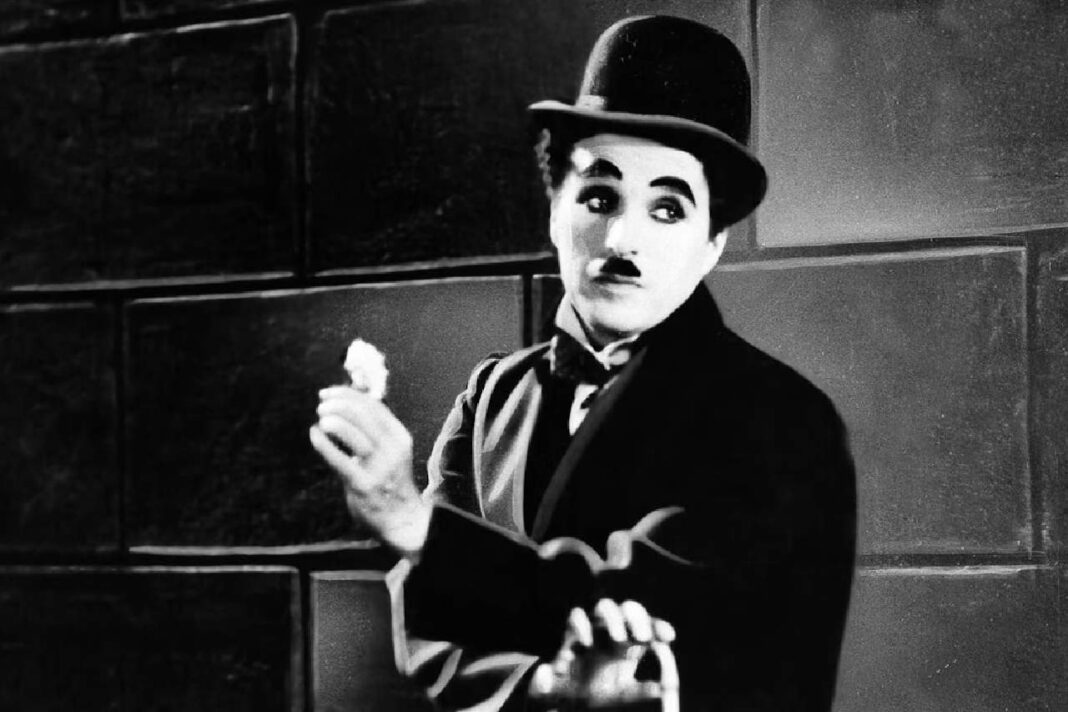

In the early 1930s, Japan was a nation caught between internal political turmoil and growing military ambition. The year 1932, in particular, marked a significant chapter in the country’s history when a violent faction within the Japanese military carried out a series of assassinations aimed at undermining the government’s hold on power. Among the victims of this bloodshed was Japan’s Prime Minister, Inukai Tsuyoshi, whose assassination was linked to a larger conspiracy that also included an unlikely target: Hollywood icon Charlie Chaplin. The plot to kill Chaplin—one of the most famous people in the world at the time—offers a fascinating look into the intersection of global celebrity, military politics, and the rising tensions between Japan and the United States.
A Divided Japan: Military Influence and Political Tensions
In the late 19th and early 20th centuries, Japan was in the process of modernizing its military forces. The country had been closed off from the rest of the world for much of its history until it was forced to open its doors in the mid-19th century by Western powers, particularly through the practice of “gunboat diplomacy.” This event marked a turning point in Japan’s history, and the country quickly set out to match the military might of the European powers.
By the 1930s, Japan had established a modern army and navy, but these military forces were not always in alignment with the government. As the military grew more powerful, its influence over political affairs also expanded. By the time of the early 1930s, Japan’s military had become a powerful entity that often acted independently from the civilian government. This led to significant friction, particularly with Japan’s more democratic-leaning politicians.
Inukai Tsuyoshi, Japan’s Prime Minister at the time, was a staunch supporter of democratic principles and worked to keep the military under control. He opposed the militaristic expansionist ambitions of the Japanese army, which sought to conquer Manchuria and expand Japan’s territorial control. The military’s far-right factions were increasingly frustrated by Inukai’s policies, and this tension ultimately led to a deadly confrontation.
The Assassination of Inukai Tsuyoshi
On May 15, 1932, a group of young Japanese naval officers and army personnel, driven by far-right nationalist ideologies, carried out a coup against Inukai Tsuyoshi. The conspirators saw the Prime Minister as a barrier to their vision of a more aggressive, militaristic Japan and believed that his death would open the path for a more hawkish government. As the Prime Minister sat in his office, these young officers stormed the room and gunned him down in cold blood.
The assassination of Inukai Tsuyoshi was not an isolated act of violence. In the previous year, Japan had witnessed the deaths of two other prominent political leaders at the hands of military factions. These killings were part of a broader pattern of political violence, with radical military groups seeking to exert their influence over the direction of the country. The assassination of Inukai was seen as a defining moment in Japan’s drift toward militarism and authoritarianism, which would eventually lead the country into the horrors of World War II.
However, what makes this incident particularly unique is the involvement of Charlie Chaplin, a figure who was thousands of miles away from the political struggles of Japan but who found himself unexpectedly embroiled in the tensions of the era.
Charlie Chaplin’s Visit to Japan
In 1932, Charlie Chaplin was at the peak of his fame. The silent film star was not just a beloved actor but an international cultural icon. His visits to various countries were events of great public interest, and Chaplin’s comedic style and physical performances had won him fans worldwide. Chaplin’s influence was not limited to Hollywood—his fame transcended borders, and in 1932, Japan was one of the countries that welcomed the comedian with open arms.
During his time in Japan, Chaplin developed a deep interest in the country’s culture. His visit was facilitated by Inukai Tsuyoshi’s son, Inukai Takeru, who was an admirer of the Hollywood star. Inukai Takeru personally escorted Chaplin around Japan, introducing him to various aspects of Japanese life, including the traditional sumo wrestling matches. Chaplin’s enthusiasm for Japanese culture seemed to resonate with many in the country, but unbeknownst to him, the political situation was becoming increasingly unstable.
The Plot to Assassinate Chaplin
At the time of Inukai Tsuyoshi’s assassination, Japan’s far-right military factions were actively seeking ways to destabilize the government and provoke a military coup. Some of these military officers viewed the United States as a major obstacle to Japan’s expansionist ambitions, and they believed that one of the best ways to spark a larger conflict with the U.S. was to provoke outrage over the killing of a prominent American figure. Who better than Charlie Chaplin, the beloved Hollywood actor who symbolized American culture?
The far-right military officers who had planned the assassination of Inukai Tsuyoshi also included Chaplin on their hit list. They hoped that killing the famous actor would generate a strong emotional response in the United States, potentially leading to diplomatic or military action against Japan. The idea was that this attack on a global figure would provoke the U.S. government into declaring war on Japan, forcing the Japanese government to strengthen its military and adopt more aggressive foreign policies.
The timing of the assassination attempt on Chaplin was critical. On the evening of May 15, 1932, Chaplin was scheduled to meet with Inukai Tsuyoshi, who was supposed to host him for an official dinner. However, fate intervened in the form of Inukai Takeru, who, aware of the military’s plans, had decided to take Chaplin to a sumo wrestling match instead of the dinner. The change in plans ultimately saved Chaplin’s life. The assassins, having already killed Inukai Tsuyoshi, were thwarted in their attempt to kill the American actor.
The Aftermath and Chaplin’s Escape
Following the assassination of Inukai Tsuyoshi, Inukai Takeru immediately moved Chaplin to a safe house. The shock of the event was immense, and the safety of the foreign celebrity was now a priority. Takeru urged Chaplin to leave Japan as soon as possible, and soon after, Chaplin was whisked away from the country, narrowly escaping an assassination attempt that could have had far-reaching consequences.
While it is unclear whether the assassination of Chaplin would have led to a full-scale war between the U.S. and Japan, the political climate of the time certainly made such a scenario seem plausible. However, the notion that the U.S. would have declared war purely in response to the death of a celebrity is highly questionable. In 1941, a much more direct and significant event—the attack on Pearl Harbor—would become the catalyst for the U.S. entry into World War II, but at the time of Chaplin’s visit to Japan, such a drastic escalation in tensions was not inevitable.
A Divided America: The Japan-US Relations and World War II
Chaplin’s narrowly avoided assassination highlights the complexities of global diplomacy during the interwar years. While it’s clear that the far-right military officers in Japan saw the assassination of Chaplin as a way to provoke the U.S., their calculation ignored the complex political realities of the time. Even if Chaplin had been killed, it’s unlikely that the U.S. would have immediately declared war on Japan. However, the assassination attempt would have intensified the existing animosities between the two nations, contributing to the already tense atmosphere that would ultimately lead to Japan’s imperialistic actions during World War II.
It’s notable that Chaplin’s planned return to Japan in 1941 coincided with the attack on Pearl Harbor, a devastating event that would permanently change U.S.-Japan relations. On the week Chaplin was scheduled to revisit Japan, the bombing of Pearl Harbor led to the U.S. declaring war on Japan, making Chaplin’s travel plans a footnote in the broader context of the tragic events that unfolded.
Conclusion: The Unlikely Intersection of Celebrity and Politics
The plot to assassinate Charlie Chaplin is a strange but fascinating chapter in the story of 20th-century politics. It underscores the unpredictable ways in which global tensions can intersect with the lives of famous individuals, regardless of their lack of involvement in political affairs. In the case of Charlie Chaplin, the target of a far-right faction in Japan, his celebrity status became the catalyst for a deadly political plot. Yet, thanks to the intervention of a concerned Japanese official, Chaplin’s life was spared, and the assassination attempt was foiled.
While the attempt on Chaplin’s life may seem like a bizarre footnote in the history of World War II, it serves as a reminder of the complex interplay between politics, celebrity, and international relations during a volatile period in history.