

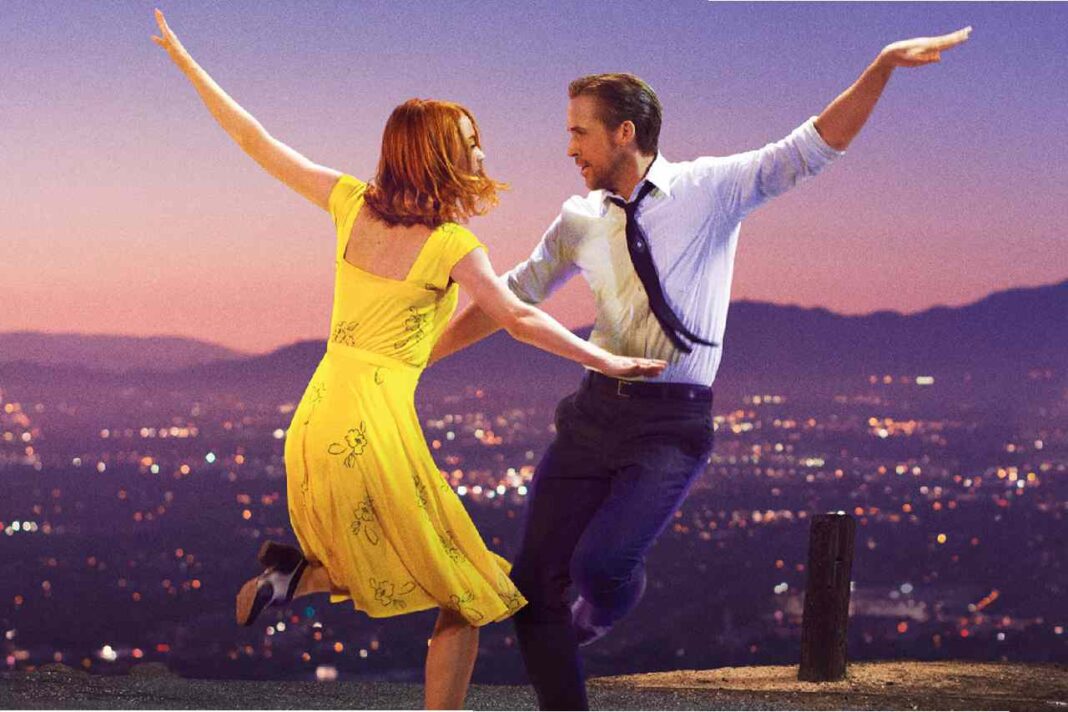

Ever watched a movie and felt an unexpected mood wash over you? Maybe a deep blue scene made you feel melancholic, or a rich golden glow transported you into a dreamy fairytale. That’s not an accident—filmmakers have been using color psychology for decades to shape emotions, tell stories, and create unforgettable visuals.
But it’s not just animation that inspires photographers. Blockbuster movies, historical dramas, and even action-packed thrillers use color palettes to evoke emotions and craft unforgettable scenes. These cinematic color techniques are now being adopted by everyday photographers, who are transforming simple snapshots into visual masterpieces with just a few adjustments.
From teal-and-orange action aesthetics to soft pastel dreamscapes, understanding how color influences perception can take your images from ordinary to extraordinary. In this article, we’ll explore how you can use iconic film color schemes to create dynamic, storytelling visuals—no big-budget studio required.
Why Color Matters Filmmakers carefully craft color palettes to evoke specific emotions and convey the atmosphere of a scene. For instance, cool tones often evoke feelings of isolation or melancholy, while warm tones create a sense of comfort and nostalgia. In movies like Mad Max: Fury Road and Dune (2021), the combination of teal and orange tones generates a high-contrast, action-packed aesthetic. Conversely, films like The Grand Budapest Hotel utilize dreamy pastels to convey whimsy and charm.
Understanding how colors influence perception helps photographers replicate cinematic effects in their own work. Whether through manual adjustments or using preset LUTs (Lookup Tables), replicating a film’s iconic color scheme can make an ordinary image feel dynamic and captivating.
Exploring Iconic Film Palettes
1. Teal & Orange: The Hollywood Staple
Widely used in action and sci-fi genres, this color combination highlights characters by contrasting warm skin tones against cool shadows. Notable examples include Mad Max: Fury Road and Transformers.
To achieve this look in photo editing software like Lightroom, push shadows toward teal and highlights toward orange. Apps like Snapseed also offer similar adjustments through the Curves tool.
2. Muted & Moody: Grit and Realism
Popular in dystopian and historical dramas, muted tones create a raw, atmospheric effect. Films like The Mandalorian and Oppenheimer exemplify this aesthetic.
Lowering saturation and subtly adjusting contrast can replicate this effect. VSCO’s “M5” and “A6” filters also work well for this look.
3. Dreamy Pastels: Soft and Nostalgic
Often seen in whimsical and romantic narratives, pastel tones are gentle and light, like in The Grand Budapest Hotel and La La Land.
Softening shadows and adding pastel highlights can create this dreamy aesthetic, while apps like Prequel offer ready-made pastel filters.
4. Monochrome Pop: Bold Contrast with a Color Twist
Using primarily black-and-white tones with a single, striking color, this technique draws attention to key elements. Iconic examples include Sin City and Schindler’s List.
Converting an image to grayscale and selectively reintroducing one color in Lightroom or Snapseed achieves this effect.
5. Oversaturated & Pop Colors: Vibrancy and Energy
Bright, saturated colors convey excitement and liveliness, as seen in Barbie (2023) and Into the Spider-Verse.
Increasing vibrance while balancing hues prevents colors from appearing overly harsh.
Combining Palettes for Unique Visual Impact Movies rarely adhere strictly to a single palette. Directors dynamically blend styles to match mood and context. For example, The Witcher mixes teal-orange aesthetics with muted earthy tones. Adopting a similar approach in photography encourages creative expression without feeling confined to one visual identity.
Tools for Color Grading Whether working on a smartphone or desktop, a variety of apps and software make color grading accessible. Lightroom Mobile, Snapseed, and VSCO are excellent for handheld editing, while professional software like Adobe Premiere Pro and DaVinci Resolve offer more advanced control. Downloadable LUTs and presets simplify the process, instantly transforming images with preconfigured color schemes.
Conclusion Mastering cinematic color palettes opens endless possibilities for creative photography. By experimenting with iconic looks from beloved movies, photographers can infuse their images with storytelling and drama. As technology makes these techniques more accessible, anyone can craft visually stunning photos with just a few clicks.
Next time you shoot a photo, think about the emotions you want to evoke and experiment with color to achieve that vision. From teal-orange drama to dreamy pastels, let your photos tell their own cinematic stories.