

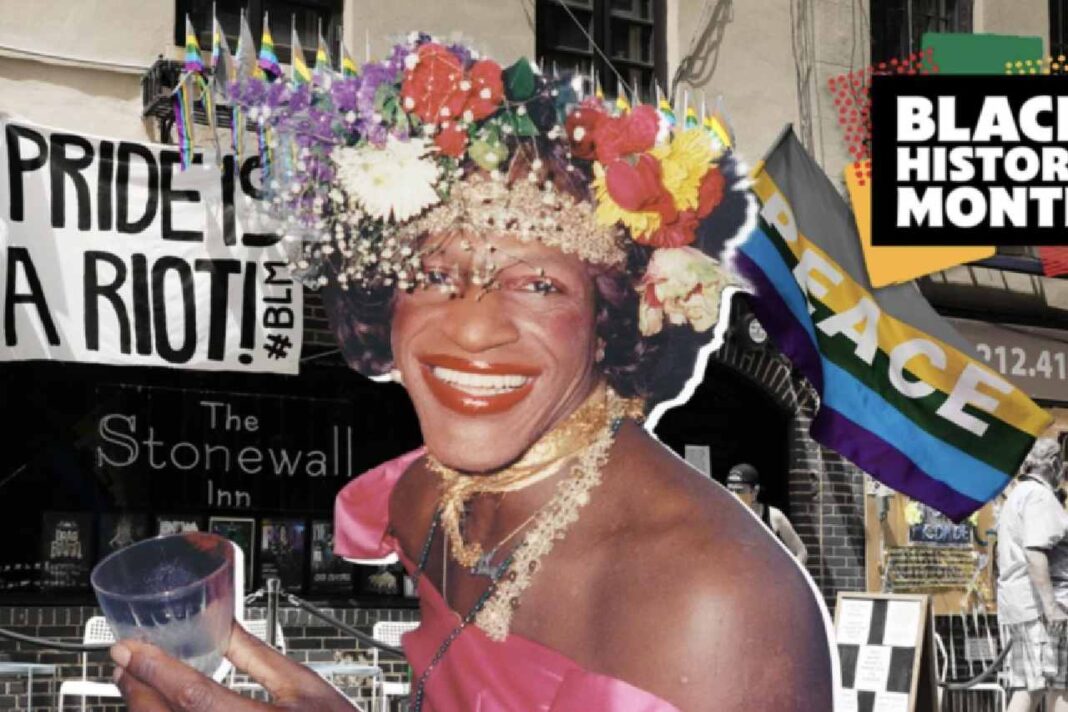

New York City. June 29, 1992. Latin music pulsed through the streets as the Gay Pride Parade flowed down Fifth Avenue. Celebrating in the crowd was Marsha P. Johnson—a trailblazing Black transgender activist who had long stood at the heart of the LGBTQ+ rights movement.
She danced, marched, and laughed, celebrating the community’s resilience.
Five days later, her body was found floating in the Hudson River.
A Sudden Death, A Rushed Conclusion
On July 6, 1992, Marsha was discovered dead—fully clothed—in the river. Authorities quickly ruled her death a suicide.
But her family, friends, and fellow activists immediately questioned the conclusion. Marsha was a strong swimmer. She had no reported suicidal behavior. Even more suspicious, a wound was reportedly visible on the back of her head—something not acknowledged in the official autopsy.
“Marsha was a fighter. She didn’t give up—and she didn’t go quietly.”
— Victoria Cruz, LGBTQ+ activist and investigator
The Firebrand the System Wanted Silenced
Born Malcolm Michaels Jr. in New Jersey, Marsha came out at 17 and moved to New York City, where she embraced her identity and became an iconic figure in the drag and queer rights scenes. She was warm, theatrical, and always willing to help those around her.
She became a regular performer in NYC’s drag clubs and a trusted presence in the community, especially among homeless and vulnerable youth.
In 1969, she was a leading presence in the Stonewall Riots—protests that sparked the modern LGBTQ+ rights movement. In the early ’70s, she co-founded STAR (Street Transvestite Action Revolutionaries) with Sylvia Rivera to shelter and protect homeless trans youth.
“No pride for some of us without liberation for all of us.”
— Marsha P. Johnson
Marsha wasn’t just about visibility—she was about action. She openly criticized corrupt cops, protested injustice, and called out racial discrimination within and beyond the queer community.
Systemic Violence, Ignored Lives
In 1992, racial and anti-LGBTQ+ violence was rampant. Crimes against queer, Black, and trans people were often overlooked. Marsha’s outspokenness made her a target, and many believe she was silenced for being exactly who she was—Black, queer, loud, and fearless.
Yet when she was found dead, law enforcement dismissed her case without thorough investigation. The community saw this not just as neglect—but as erasure.
“If Marsha had been white, cisgender, and rich, this would’ve been a murder investigation from day one.”
— Protester at 1992 justice march
Reopening the Case, Reclaiming the Truth
After cremating her remains, Marsha’s friends and family scattered her ashes in the Hudson River. Her community organized protests, vigils, and awareness campaigns. Her name became a rallying cry.
Finally, in 2012—twenty years after her death—the NYPD reopened her case. They reclassified her cause of death from “suicide” to “undetermined.”
No arrests were made. But it was a long-overdue acknowledgment that something wasn’t right.
Why Her Story Still Matters
Marsha P. Johnson wasn’t just a face at Pride. She was the reason many could even show theirs. Her courage paved the way for countless others, and her legacy remains a powerful symbol of liberation and resistance.
Her story still haunts us because justice was never served—and because she represents the countless lives the system tries to erase.
“You never completely have your rights, one person, until you all have your rights.”
— Marsha P. Johnson
What Do You Believe?
Marsha had just celebrated life and pride. She was found fully clothed. She had a head injury. And she was a powerful critic of the system.
Do you believe she jumped—or that someone pushed?
History remembers her as a legend. We owe her the truth.
🕊 Say her name. Share her story. Demand justice.