

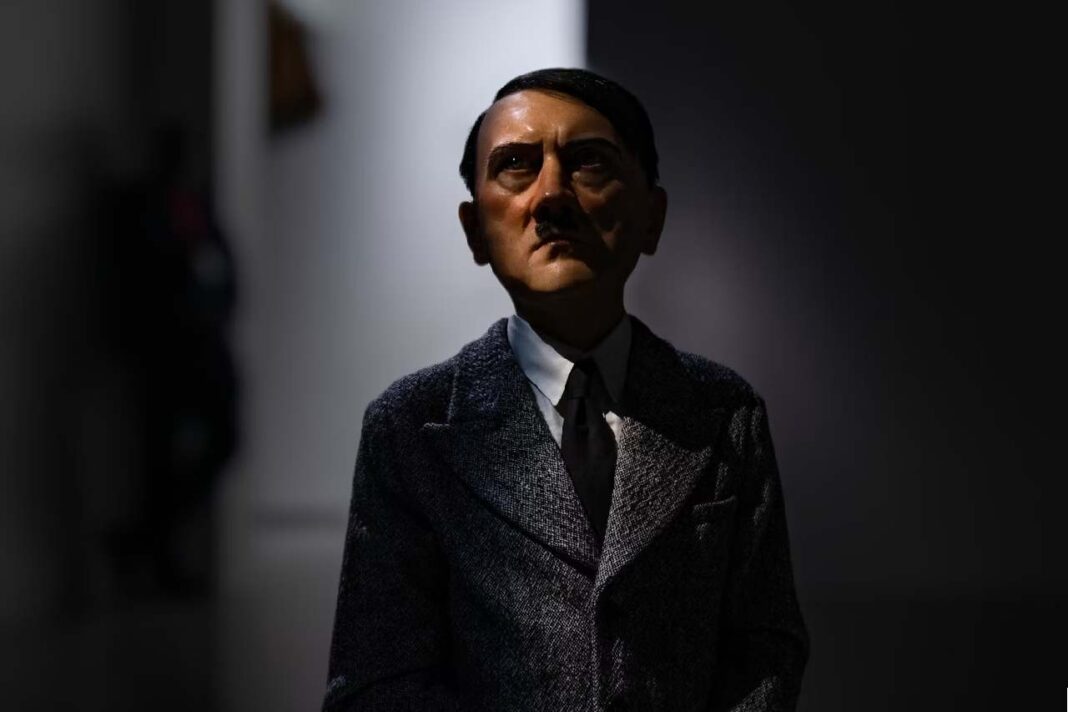

“Even monsters bleed.”
— Anonymous Allied propagandist
Adolf Hitler — dictator, demagogue, and one of the most reviled figures in modern history — has been examined from nearly every angle. But while his political ideology and war crimes are well-documented, his medical condition remains a strange and often overlooked part of the story.
Was he physically strong, or quietly falling apart behind the podium? A look at historical records, medical notes, and postmortem speculation paints a picture of a man plagued by illness, drug use, and mystery.
Gastrointestinal Chaos: The Dictator with a Stomachach
Hitler’s abdominal problems were so constant that his physician, Dr. Theodor Morell, recorded frequent complaints of cramping, bloating, and diarrhea. The diagnosis? Likely spastic colon or irritable bowel syndrome (IBS) — made worse by wartime stress and his obsessive personality.
“His rectum functioned normally,” Morell wrote in his notes, debunking theories of lower intestinal failure or rectal disease.
Despite wild postwar claims, no physical deformities were found in his digestive tract.
Dark Urine and Toxic Remedies
Another odd detail: Hitler’s urine was frequently darker than normal. This discoloration may have stemmed from one of his strangest choices — strychnine, a known rat poison, used as a stimulant and digestive aid at the time.
Long-term use of such substances can damage the gallbladder and liver, both of which were reportedly inflamed in his final years.
“The Fuhrer is sustained by pills, injections, and routine — more than belief.” — German officer’s diary, 1944
A Failing Heart in a Failing Reich
Despite being a vegetarian, Hitler’s health was far from ideal. Nutritional deficiencies forced his doctors to prescribe bacterial pills to maintain gut flora. These imbalances may have contributed to:
- Stomach swelling
- Kidney and liver stress
- And most alarmingly, coronary sclerosis — plaque buildup in his arteries
In his last year, he was given oxygen therapy and heart stimulants, though no actual heart attack was recorded.
Nasal Congestion and The Voice of Illnes
Hitler’s nasal inflammation — medically known as catarrhal inflammation — gave him a nasal tone and likely made public speaking uncomfortable.
Not life-threatening, but symbolically fitting: a man wheezing out orders while the world burned.
The One-Testicle Theory: Fact or Wartime Fantasy?
Possibly the most infamous medical rumor: Did Hitler only have one testicle?
This myth stemmed from:
- A 1923 medical report after the failed Beer Hall Putsch
- Later references to cryptorchidism (an undescended testicle)
- And, of course, the British wartime song:
“Hitler has only got one ball…”
But others, including Hitler’s childhood doctor, denied any deformity. Like many things about his legacy, this remains uncertain — caught between medicine and mockery.
Drugs, Tremors, and a Mind Unraveling
Between 1939 and 1943, Hitler’s behavior became more erratic and paranoid. Was this just stress? Or something more?
Historians suggest he may have abused methamphetamine, which can cause:
- Hand tremors
- Delusions
- Vision problems
Another theory? That he had contracted syphilis in his youth, and that neurosyphilis affected his brain. Symptoms would include paranoia, cognitive decline, and physical tremors — all reported in Hitler’s final days.
Propaganda or Pathology? The Blur of War
Much of what we “know” about Hitler’s health was likely shaped by Allied propaganda. Mocking the enemy’s masculinity and vitality was a powerful psychological tactic. Songs, cartoons, and wartime leaflets often exaggerated physical flaws for morale.
“Was he sick — or just evil? Perhaps both.”
Even credible medical reports must be viewed through the lens of bias, secrecy, and political agendas.
Conclusion: A Body That Mirrored a Crumbling Regime
So — was Hitler medically fit?
Not entirely. Records suggest a man riddled with chronic illness, drug dependency, and possible neurological damage. Yet many claims remain speculative, somewhere between truth and myth.
What’s clear is that his health was far from robust, and in many ways, it mirrored the instability of the regime he led.
🧠 Narratica Takeaway
Even tyrants are flesh and blood. Studying their bodies can reveal as much about their minds — and their regimes — as their manifestos ever could.