

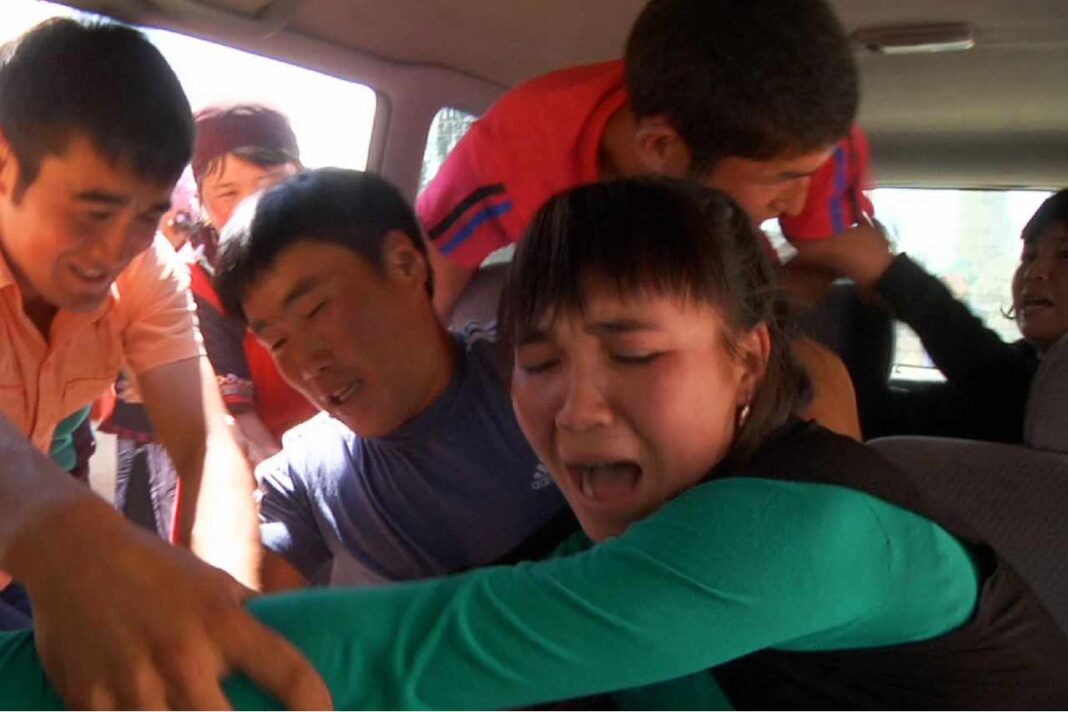

Bride kidnapping, also known as marriage by abduction, remains an ongoing practice in various parts of the world, continuing to violate the rights of women and girls. This deeply rooted tradition, which involves a man abducting a woman and coercing her into marriage, perpetuates gender-based violence and reinforces patriarchal structures that view women as property. Despite efforts to eradicate the practice, it remains prevalent in some regions of Central Asia, the Caucasus, and parts of Africa. Bride kidnapping not only violates women’s autonomy but also subjects them to physical and emotional trauma.
What is Bride Kidnapping?
Bride kidnapping refers to the act of abducting a woman, typically with the intention of marrying her without her consent. Often, this involves a group of men forcibly taking a woman, transporting her to another location, and pressuring her into accepting the marriage. In many cases, the woman is sexually assaulted as part of the process of “legitimizing” the marriage. Once this occurs, the woman’s family may be coerced into accepting the forced union, either due to fear of social stigma, honor, or lack of support for the victim.
While the practice may seem foreign or outdated to many, it remains a widespread issue in several countries where cultural norms continue to support it. In some regions, bride kidnapping is considered a traditional or acceptable way for a man to obtain a wife, often disregarding the woman’s wishes, safety, and well-being.
Where Does Bride Kidnapping Occur?
Bride kidnapping is still a common practice in countries such as Kyrgyzstan, Chechnya, Moldova, Armenia, Ethiopia, and Kazakhstan. It is particularly prevalent in rural areas where traditional customs and patriarchal values hold significant influence. In Kyrgyzstan, for example, studies have shown that one in four girls are subjected to bride kidnapping. The prevalence of this practice highlights the deeply entrenched social norms that continue to condone it despite legal efforts to curb it.
The United Nations and other international bodies have condemned the practice, recognizing it as a violation of human rights and an act of sexual violence. In countries like Kyrgyzstan, efforts have been made to strengthen legal frameworks and raise awareness about the dangers of forced marriages. However, the practice persists, partly due to social pressures, weak law enforcement, and insufficient protection for victims.
The Psychological and Physical Impact on Victims
The consequences of bride kidnapping are severe and far-reaching. Women who are abducted and forced into marriage often experience long-lasting emotional trauma, including depression, anxiety, and feelings of isolation. The physical violence involved, including sexual assault, leaves many victims with both physical injuries and a profound sense of violation.
In addition to the immediate harm, the psychological effects of forced marriages can be crippling. Many victims report feeling trapped and powerless in their marriages, particularly if they have been coerced into staying with their captors due to social or family pressure. In some cases, women are isolated from their families and communities, making it even more difficult to escape or seek help.
While some women may eventually find a way to escape, the scars left by the experience often remain for a lifetime. For young girls, the trauma can hinder their development and prevent them from pursuing education, work, or a future of their own choosing.
A Recent Example: Lika’s Story
In 2010, a young woman named Lika (name changed) from Tbilisi, Georgia, became a victim of bride kidnapping. Lika, a 17-year-old girl, was abducted by a man she trusted, whom she believed to be her boyfriend. After being taken to his home, she was subjected to sexual assault, which was seen by the abductor’s family as part of the process of formalizing the marriage.
Lika’s family was left devastated. Her mother, Deda, was unable to comprehend what had happened to her daughter. Despite her efforts to find Lika and bring her home, the young girl was forced to remain with her captor, who had effectively married her through violence and coercion. The family’s grief was compounded by the realization that the marriage was not a romantic or consensual union but one that had been imposed through abduction and rape.
Lika’s story is not isolated. In regions where bride kidnapping is common, many young girls face similar fates. The practice is a reminder of the gender inequality that persists in many societies, where women are seen as objects to be controlled, and their desires and autonomy are disregarded.
Legal Challenges and Societal Pressures
Although bride kidnapping is illegal in many of the countries where it occurs, enforcement of the laws remains weak. In some cases, the legal system is complicit, either by overlooking the practice or by not offering adequate protection to victims. The police may fail to investigate cases of forced marriage or abduction, and perpetrators often face minimal consequences.
One of the main reasons bride kidnapping persists is the strong cultural acceptance of the practice. In many communities, it is seen as an integral part of tradition, and women are expected to comply with family decisions, regardless of their personal wishes. In some cases, the abducted woman’s family may be pressured into accepting the marriage in order to avoid dishonor or social exclusion.
Additionally, many women who manage to escape their captors find it difficult to reintegrate into society. They may face stigmatization, blame, or even violence from their communities, which can make it even harder to leave an abusive relationship.
Global Efforts to Combat Bride Kidnapping
International organizations such as the United Nations and local NGOs have made efforts to combat bride kidnapping and forced marriages. The UN has called for stronger enforcement of laws against child marriage and forced abduction, highlighting the need for countries to fulfill their international obligations to protect women and girls.
In countries like Kyrgyzstan, where bride kidnapping is widespread, the UN has worked with the government to implement legal reforms and raise public awareness about the harms of the practice. Local NGOs have also been instrumental in providing support services for victims, including counseling, legal assistance, and shelters.
Despite these efforts, progress has been slow. In many cases, the deeply entrenched cultural norms that support bride kidnapping are difficult to change. Moreover, the lack of sufficient resources and support systems for victims of violence means that many women continue to suffer in silence, unable to seek help or escape their abusive marriages.
Conclusion
Bride kidnapping remains a pervasive and harmful tradition in certain parts of the world, subjecting women and girls to sexual violence and forced marriages. Despite the legal frameworks in place to prevent such practices, bride kidnapping persists due to social pressures, weak law enforcement, and cultural acceptance. Victims of bride kidnapping face severe psychological and physical consequences, often struggling to regain control over their lives and futures.
While international organizations and local NGOs continue to work toward eradicating this practice, much more needs to be done. Legal reforms, stronger law enforcement, and cultural change are essential to ending the cycle of violence and ensuring that women and girls can live free from the threat of abduction and coercion. Until the practice is fully eradicated, the rights and dignity of women in affected regions will remain at risk.