

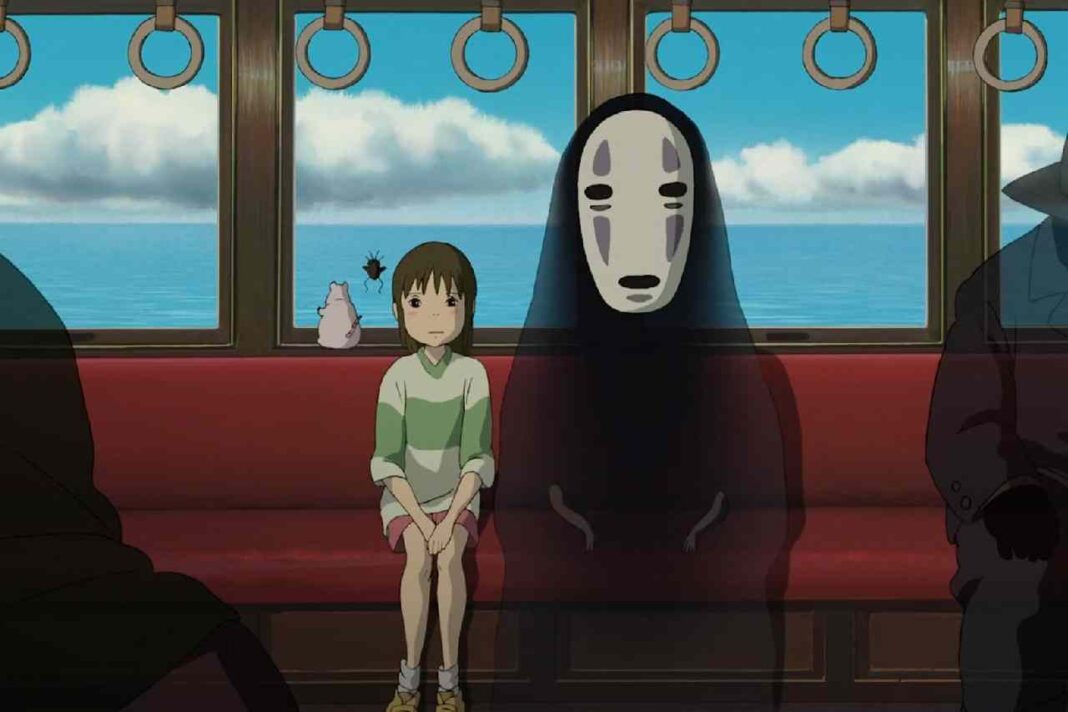

Studio Ghibli films, under the creative vision of Hayao Miyazaki and others, present unique portrayals of love that differ from conventional cinematic love stories. Unlike typical romantic tropes, Ghibli characters often embody a deeper, more profound connection that transcends physical attraction. These films challenge traditional ideas of love by focusing on spiritual bonds, personal growth, and mutual inspiration.
Hayao Miyazaki, in his book ‘Starting Point 1979–1996’, writes, “I’ve become skeptical of the unwritten rule that just because a boy and girl appear in the same feature, a romance must ensue. Rather, I want to portray a slightly different relationship, one where the two mutually inspire each other to live — if I’m able to, then perhaps I’ll be closer to portraying a true expression of love.” This perspective influences the storytelling approach in many Studio Ghibli films, where relationships are not solely romantic but are rooted in friendship and support.
One notable example is the relationship between Haku and Chihiro in ‘Spirited Away’. Their connection is depicted as a spiritual bond rather than a conventional romance. Kamaji refers to their relationship as love, but throughout the film, it resembles a supportive friendship. Haku assists Chihiro in navigating the spiritual world, helping her gain confidence and independence. In return, Chihiro helps Haku remember his true identity as the Kohaku River spirit. This mutual transformation highlights a love defined by personal growth and self-discovery.
In ‘Howl’s Moving Castle’, the relationship between Sophie and Howl evolves in a similar fashion. Initially, Sophie is insecure and anxious about her appearance, but after being cursed and transformed into an older woman, she becomes more self-assured. This newfound confidence positively influences Howl, allowing him to confront his own vulnerabilities. Their bond is not grounded in physical attraction but in emotional support and acceptance. This portrayal challenges the conventional notion of love as purely romantic.
‘Whisper of the Heart’ presents a cerebral romance between two teenagers, Seiji and Shizuku, who connect through their artistic passions. They encourage each other to pursue their dreams while maintaining their individuality. Despite physical separation, their relationship grows stronger as they continue to inspire each other to develop their talents. This dynamic reflects the idea that love can involve fostering personal ambition without compromising one’s identity.
Studio Ghibli’s narratives often emphasize equality within relationships. As Miyazaki states, “Many of my movies have strong female leads — brave, self-sufficient girls that don’t think twice about fighting for what they believe in with all their heart. They’ll need a friend or a supporter, but never a savior. Any woman is just as capable of being a hero as any man.” This philosophy is evident in how characters share responsibilities and offer mutual support, challenging gender norms and traditional relationship roles.
Moreover, the relationships portrayed in Studio Ghibli films are not defined by grand romantic gestures or happy endings. Instead, they focus on growth, collaboration, and resilience. Partners in Ghibli stories often take turns supporting each other, as seen when Seiji offers Shizuku his jacket during a bicycle ride in ‘Whisper of the Heart’, and she later returns the gesture. These moments reflect a balanced partnership where both characters contribute equally to their connection.
Ultimately, Studio Ghibli’s depiction of love encourages viewers to view relationships as journeys of mutual growth and emotional support rather than mere romantic conquests. The films challenge audiences to reconsider love not as an idealized fantasy but as a meaningful and transformative connection that nurtures individuality and personal development.