

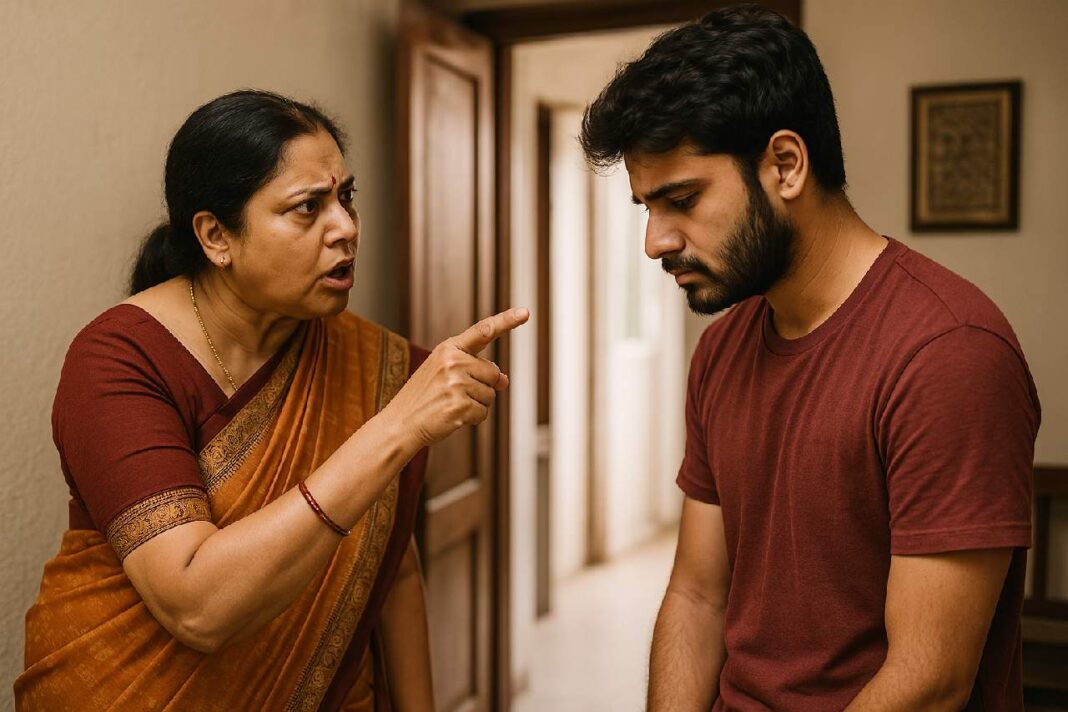

A sip of cold coffee, a simple yet profound act that illustrates the cultural divide between generations. This seemingly trivial event serves as a reflection of the larger battle between tradition and modernity, deeply rooted in the lives of many young Indians today. The ongoing clash between older generations, who hold on to cultural norms, and younger generations, who seek individuality and global experiences, is not just about coffee. It’s a story of evolving identities, redefined aspirations, and an ever-shifting landscape of familial expectations.
The Cold Coffee Incident: A Microcosm of the Larger Clash
Arvind, a 24-year-old Indian from Chennai, recalls a light-hearted yet telling episode that highlights the cultural chasm between him and his traditional family. One afternoon, Arvind, recently back from his studies abroad, was experimenting in the kitchen, preparing his version of iced coffee. It was a simple, milky, sugary blend — a tribute to the trendy cafés he had frequented during his time in the U.S. As he blended the ingredients, his mother walked in. Her disapproving glare fell on the gleaming blender, as though it were an alien object.
“Why waste good milk?” she asked, the words sharp, her disapproval unspoken but palpable. In her mind, coffee was a ritual — something bitter and hot, served in a steel tumbler, a comforting tradition passed down for generations. For Arvind, however, the iced coffee represented something more — a symbol of the modern, cosmopolitan lifestyle he had embraced abroad. It was not just about the drink; it was a statement of identity, a nod to a world beyond the confines of his family’s traditional values.
Dating: Love or Logistics?
Arvind’s story about iced coffee is more than a clash of culinary preferences. It is a window into the deeper conflicts that arise when traditional Indian values intersect with the globalized experiences of the younger generation. Dating, for instance, is a perfect example of this disconnect. While Arvind was in the U.S., he began dating a classmate, someone with whom he had formed a deep emotional connection. When he broke the news to his father, he was met with a question that felt out of place: “Why? We’ll find you a nice Tamil girl.”
For his parents, love was a practical arrangement, not an emotional pursuit. In their world, relationships were about securing a stable future, not about emotional connection. His parents had always envisioned an arranged marriage, where social compatibility, family background, and financial stability were the driving forces behind the union, not romantic love. To them, the idea of dating based on personal emotions seemed risky and unimportant. They had built their lives around stability and security, values that often prioritized societal expectations over individual choice.
However, Arvind’s experience in the U.S. had given him a different perspective. His relationship was built on emotional intimacy, trust, and mutual respect, which he found to be a more holistic foundation for love. This contrast — the emotional connection of the West versus the logistical approach of the East — creates a generational divide that many young Indians like Arvind grapple with as they navigate the complex dynamics of family expectations and personal desires.
Career Choices: The Safety of Tradition vs. the Pursuit of Passion
The tension between traditional values and modern aspirations is also evident in career choices. For Arvind’s cousin, the shift was even more pronounced. He made headlines in the family when he chose to drop out of medical school to pursue his passion for music. The reaction from his family was swift and scathing. “Who will respect a man with no ‘real job’?” his uncle exclaimed, exemplifying the conventional belief that a stable, well-paying job — preferably in fields like medicine, engineering, or law — was the only path to respect and success.
This mindset is deeply ingrained in Indian society, where academic and professional success is often seen as the ultimate achievement. Parents, especially those who have experienced hardship, view job security as paramount. For them, the pursuit of a “passion project” often feels risky, frivolous, and impractical. The idea of failure is seen as a blemish, an inevitable consequence of choosing something as unpredictable as a creative career.
However, for Arvind, this approach was alien. During his time in the U.S., he saw firsthand the freedom that young people had to chase their dreams, to experiment, and to fail without the crushing burden of judgment. Arvind witnessed his cousin perform on stage, earning more money than some of the doctors in their family. This success, although unconventional, was proof to him that the pursuit of passion could lead to fulfillment and even financial reward. His time abroad had instilled in him a deep understanding of the importance of pursuing one’s purpose, not just securing a paycheck.
In his family’s eyes, however, failure was still a source of shame. Arvind’s father would never have dreamed of encouraging failure as a stepping stone to success. The two worlds — one that embraced passion and risk, and the other that valued security and certainty — collided, leaving Arvind to reconcile these disparate ideals.
Bridging the Gap: The Evolution of Tradition
At the heart of this generational clash lies a deep-rooted need to preserve cultural identity while embracing modernity. The cold coffee incident, in which Arvind’s mother disapproved of his iced creation, symbolizes more than just a preference for tradition over novelty. It reflects the struggle of older generations to hold on to what they know — what gives them comfort and a sense of identity — while younger generations seek to carve out their own paths, often inspired by a globalized world.
Arvind’s mother, who grew up in a rural village, saw the preparation and serving of coffee as a cherished tradition. For her, maintaining this tradition was a way to honor the values of her upbringing. She felt secure in these rituals, and they represented a connection to her past. When Arvind introduced a modern twist to this tradition, it disrupted the familiar patterns she had relied on, causing her to react defensively.
However, in an unexpected twist, Arvind’s sister, who had always been more open to blending the old and the new, began to embrace both types of coffee. She joyfully declared that the combination of hot and cold coffee tasted better, showing that tradition and modernity need not be in conflict. This moment of cultural fusion marked a shift, not just in the way coffee was enjoyed, but in the way cultural identities could evolve and coexist.
Love and Logic: A New Perspective on Relationships
One of the most significant shifts in the younger generation’s worldview is the way love and relationships are viewed. Unlike previous generations, who often saw love through a practical lens, the new generation blends emotion with reason. Arvind and his girlfriend exemplified this shift. Their relationship was not just about romantic affection; it was a partnership built on shared goals, mutual respect, and deep conversations about important matters like taxes, mental health, and future aspirations.
Arvind’s perspective on relationships was a far cry from the transactional approach often seen in traditional Indian marriages. In his view, love was not a chaotic or irrational force but something that could coexist with logic and practicality. It wasn’t about enduring a relationship for the sake of family honor but about nurturing a connection that allowed both individuals to grow and thrive together.
This change in outlook reflects a broader societal shift in India, where young people are no longer content to accept outdated norms. They are seeking relationships that are built on mutual respect, emotional connection, and shared goals, not just on tradition or familial duty.
Conclusion: Embracing the Evolution of Culture
Ultimately, the generational divide between traditional Indian parents and their modern, globally-minded children is not something that should be seen as a battle to be won. Rather, it is an opportunity for dialogue, understanding, and evolution. Arvind’s family, while initially resistant to his modern choices, began to realize that tradition and modernity are not mutually exclusive. His mother, who still prepares coffee in the traditional way, can now appreciate the fun and creativity that Arvind’s iced coffee symbolizes.
Arvind, for his part, understands the importance of his family’s values. He savors his mother’s filter coffee on Sundays as a reminder of his roots, even as he pursues his dreams and embraces the freedom that comes with being part of a globalized world. Through this mutual respect and understanding, Arvind and his family are slowly finding ways to bridge the cultural divide.
The key to navigating this generational gap lies not in rejecting the past but in adapting it. Tradition can evolve, but it need not be discarded. By blending the best of both worlds, young Indians like Arvind are finding ways to honor their heritage while pursuing their individual aspirations. And in doing so, they are creating a new cultural narrative that respects both the old and the new.