

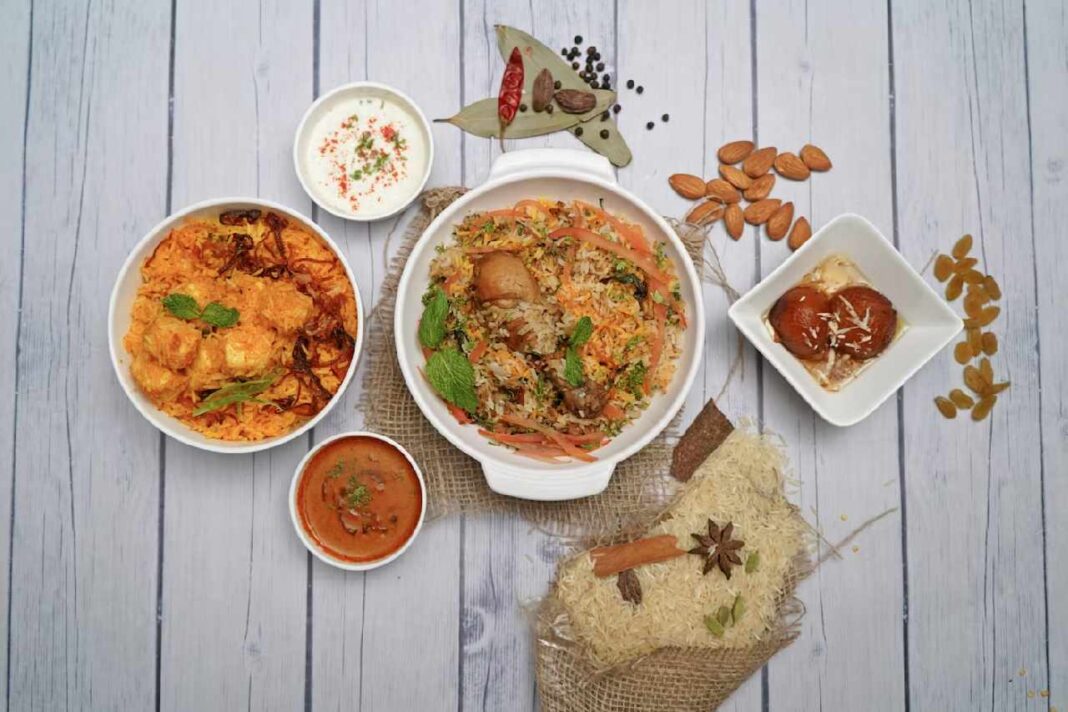

India, with its diverse landscapes and vibrant cultures, is also home to a rich and varied culinary tradition. Known globally for its aromatic spices and bold flavors, Indian food is an integral part of the country’s cultural fabric. From the bustling streets of Delhi to the serene backwaters of Kerala, food plays a significant role in bringing people together, symbolizing the country’s diversity and heritage. But beyond the tantalizing taste, the question arises: Is Indian food really healthy?
The Essence of Indian Cuisine
Indian cuisine is as diverse as its people. Across regions, the food varies, influenced by local ingredients, climate, and culture. What remains common, however, is the use of aromatic spices and herbs, which not only enhance flavor but also bring health benefits. Spices like turmeric, ginger, garlic, and cumin are central to Indian cooking and have long been touted for their medicinal properties. Turmeric, for example, is known for its anti-inflammatory and antioxidant effects, while garlic is believed to improve heart health and immunity.
Indian food’s ingredients typically include legumes, grains, vegetables, and fruits. The combination of these elements contributes to a balanced intake of carbohydrates, proteins, fats, vitamins, and minerals. Furthermore, Indian meals often include a variety of textures and tastes, from spicy to tangy, which not only adds complexity to the meal but also aids digestion.
Nutritional Profile of Indian Food
Indian food can be incredibly nutrient-dense, depending on the preparation method and choice of ingredients. Many traditional Indian meals incorporate pulses (lentils, beans, chickpeas), whole grains (such as rice, millet, and wheat), and an abundance of vegetables. These foods are rich in fiber, which promotes healthy digestion and supports heart health.
Moreover, Indian cuisine makes extensive use of healthy fats, particularly from ghee (clarified butter) and mustard oil, which are staples in many households. Ghee, for instance, is rich in short-chain fatty acids, which can help with the absorption of fat-soluble vitamins and improve gut health when consumed in moderation. Mustard oil, on the other hand, is high in omega-3 fatty acids, known to be beneficial for heart health.
However, it is essential to note that the healthiness of Indian food can vary depending on the type of dish and how it is prepared. While many traditional dishes are wholesome, modern cooking techniques—such as deep-frying and excessive use of oil or butter—can make the food less healthy. The use of sugar and artificial flavor enhancers in some recipes also detracts from the overall nutritional value of certain dishes.
Regional Variations: North vs. South Indian Food
Indian food is diverse, and this is evident when comparing the cuisines of North and South India. Both regions have their own distinct cooking styles and staple ingredients.
North Indian Cuisine: Known for its rich, creamy gravies, butter-laden dishes, and indulgent use of ghee, North Indian food offers flavorful meals that are typically heavy and high in fat. Dishes like butter chicken, dal makhani, and chole bhature are iconic examples of North Indian cuisine. While these meals are undeniably delicious, they can be high in calories and fat, which may not make them the best choice for those watching their weight or managing heart health. However, when eaten in moderation and prepared in a healthier manner (for example, grilling instead of frying), these dishes can still provide essential nutrients without the excess fat.
South Indian Cuisine: In contrast, South Indian food is often considered lighter and healthier due to its emphasis on rice, lentils, and fermented foods. Dishes like idli, dosa, and sambar are staples in the South. These foods are high in carbohydrates but low in fat and sugar. The fermentation process involved in making idli and dosa promotes healthy gut bacteria, which aids digestion and boosts the immune system. South Indian cuisine also incorporates coconut, which, though high in fat, contains medium-chain triglycerides (MCTs) that are metabolized differently by the body and are known to have numerous health benefits.
The Role of Homemade Indian Food
One of the major advantages of Indian food is that it can be made at home, ensuring that the ingredients used are fresh and the preparation is hygienic. Homemade meals allow for control over the quantity of oil, butter, and spices used, which can significantly affect the healthiness of the dish. Cooking at home also means that you can avoid processed ingredients, preservatives, and artificial flavorings often found in takeaway food.
Homemade Indian food is generally considered healthier because it’s made from scratch with fresh vegetables and proteins. The ability to control the amount of salt and sugar added further boosts its nutritional profile. Additionally, home-cooked meals are often balanced in terms of macronutrients, offering a combination of protein, fiber, healthy fats, and vitamins.
Vegetarian and Vegan Indian Food
India has a long history of vegetarianism, and many traditional Indian dishes are naturally plant-based. Vegetarian Indian food, such as dal (lentils), sabzi (vegetable curries), and roti (flatbread), is packed with essential nutrients like protein, fiber, vitamins, and minerals. Moreover, these meals tend to use fewer spices and less oil than their non-vegetarian counterparts, making them lighter and easier to digest.
Vegan Indian cuisine, which excludes dairy products like ghee and paneer, is also growing in popularity. Indian vegan dishes, often based on lentils, beans, and vegetables, are rich in protein and fiber. The emphasis on plant-based foods makes Indian vegan cuisine an excellent choice for those seeking to improve their health or reduce their environmental footprint. Vegan curries made with lentils and beans are especially beneficial for their high protein content, which is essential for muscle repair and overall health.
The Downside: Takeaways and Frozen Indian Food
While traditional Indian meals can be incredibly healthy, the same cannot always be said for takeaway or frozen Indian food. Takeaway food often contains excessive amounts of oil, butter, and cream to enhance flavor and preserve the food during transport. These added fats can make takeaway meals high in calories and less healthy. Additionally, takeaway food may not be prepared in the most hygienic conditions, which could lead to foodborne illnesses.
Frozen Indian food, while convenient, is typically processed and may contain preservatives, flavoring agents, and artificial additives to extend shelf life. Although these meals can be relatively healthier than restaurant food due to homemade preparation, they still lack the freshness of freshly prepared meals.
Is Indian Food Good for Weight Loss?
Indian food can be part of a healthy weight loss plan, provided that portion sizes are controlled and high-fat dishes are consumed in moderation. Certain Indian foods, such as moong dal (yellow lentils), bitter gourd (karela), and cauliflower, are low in calories and rich in nutrients, making them ideal for weight loss. Additionally, the high fiber content in many Indian dishes helps to keep you feeling full for longer, preventing overeating.
However, many traditional Indian dishes are rich in carbohydrates, which can lead to weight gain if consumed in large quantities. To make Indian food more weight-loss-friendly, it’s best to focus on low-calorie, high-protein, and high-fiber dishes, while limiting the intake of foods that are heavy on oil, butter, or sugar.
Indian Food for Specific Health Conditions
For Diabetes: Indian food can be beneficial for individuals with diabetes when it is prepared with careful attention to glycemic index. Many Indian foods, such as chickpeas, lentils, and leafy green vegetables, have a low glycemic index and can help regulate blood sugar levels. Additionally, spices like cinnamon and turmeric have been shown to help with insulin sensitivity.
For Heart Health: Indian food can also be heart-healthy, especially when it includes ingredients like nuts, seeds, legumes, and low-fat dairy. The use of healthy fats, such as those found in mustard oil and ghee, in moderation can contribute to better heart health. However, it’s essential to avoid excessive use of saturated fats and deep-fried foods.
During Pregnancy: Indian food can be a good choice for pregnant women, as it offers a wide range of nutrient-dense dishes. Foods like dal, vegetables, fruits, and whole grains are rich in folate, iron, and other essential vitamins, which are important for both the mother and the baby. However, pregnant women should avoid dishes that are too spicy or contain raw ingredients.
Conclusion
Indian food, when prepared and consumed mindfully, can be a highly nutritious and healthy option. It offers a diverse range of dishes, from vegetarian curries and lentil soups to rice and roti, all of which provide essential nutrients needed for a balanced diet. While some modern Indian dishes, particularly those found in restaurants or takeaways, can be high in calories and fats, many traditional recipes are full of health benefits, especially when prepared with fresh ingredients and moderate use of oil and spices.
Ultimately, the healthiness of Indian food depends on how it is made and consumed. By making conscious choices, focusing on fresh ingredients, and preparing meals at home, Indian cuisine can undoubtedly be part of a healthy lifestyle.